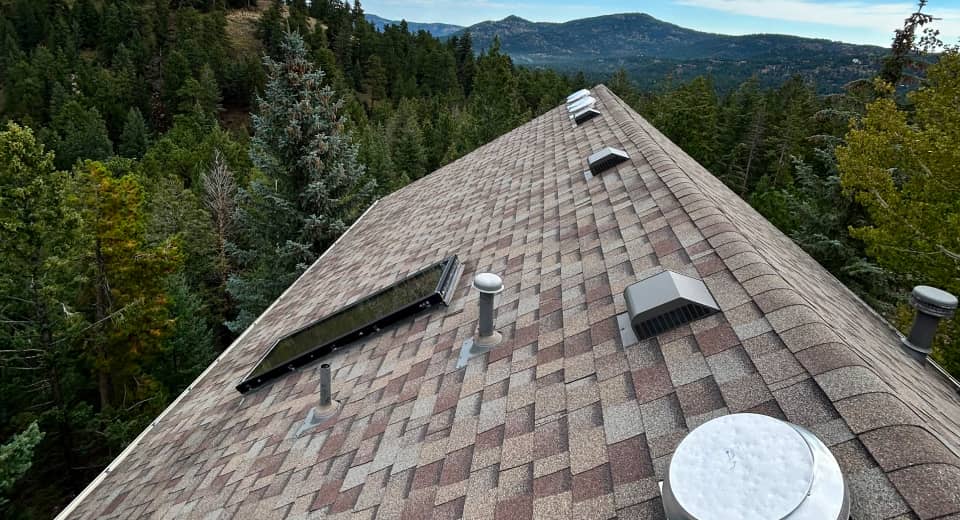
Choosing the right roofing material in the Colorado mountains goes far beyond looks. Snow loads, hail, wind, and sharp temperature swings put more stress on roofs at elevation, making the right choice key to long-term performance and fewer repairs.
At Mainzer Roof & Gutter, we help homeowners make confident decisions with clear recommendations, a 10% written bid match for equal quality, and a 5-year workmanship warranty on roof installations and replacements.
Key Summary:
Architectural asphalt shingles offer the best value for most Colorado mountain homes when installed with proper ice and water protection. Standing seam metal roofing delivers strong snow shedding and a long lifespan, but costs more upfront. In mountain conditions, installation details like ventilation, flashing, and underlayment often matter more than the surface material.
Why Roofing in the Colorado Mountains Is Different
Mountain roofs deal with stress that lower elevation homes rarely see. Snow does not just sit on the roof. It melts during the day, refreezes at night, backs up at eaves, and slowly works into weak points. Ice dams tend to form where insulation, ventilation, or flashing details fall short.
Hail and wind also behave differently at elevation. Storms often arrive with stronger gusts and wind-driven rain, and hail can strike from angles that damage shingles without causing immediate leaks.
Based on NOAA data, Colorado frequently experiences significant hail events, often ranking among the top states annually for these weather occurrences. Many of these storms produce hail large enough to cause damage to roofing materials.
FEMA has also documented that ice dams are one of the most common causes of winter roof leaks in cold and mountain climates, often tied to snow load and uneven roof temperatures.
What a Mountain Roof Must Be Built to Handle
A mountain roof is a system, not just a surface. Each stress point below plays a role in how long the roof lasts and how well it protects the home.
- Snow and ice performance: Roofs must manage heavy snow loads and repeated melt refreeze cycles. Ice dams typically form at eaves, valleys, and roof transitions where warm air escapes or drainage slows. Without proper ice and water protection, water can back up under shingles even when the roof looks fine from the ground.
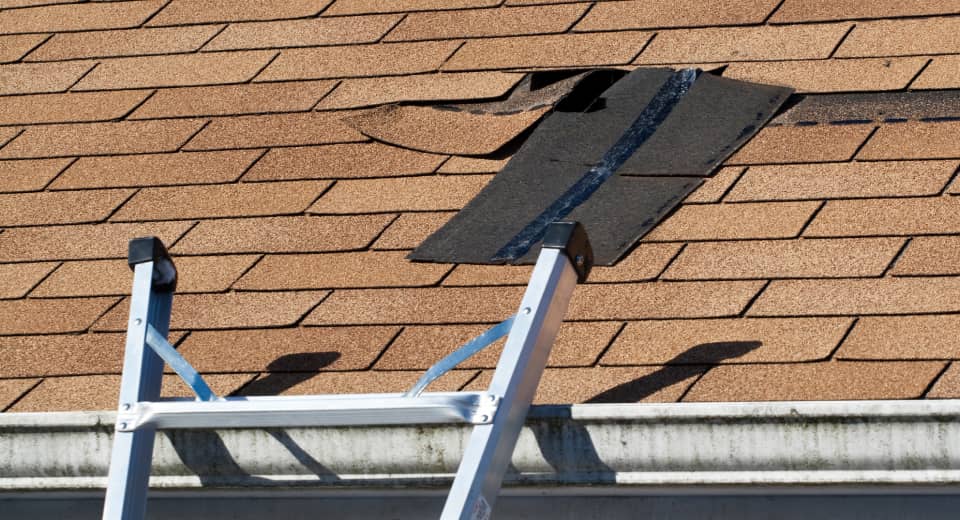
- Hail resistance: Hail damage is not always obvious. Granule loss, bruised mats, and fractured seals can shorten roof life without causing immediate leaks. Over time, these weak spots often turn into moisture intrusion during snowmelt or heavy rain.
- Wind resistance: Mountain winds focus pressure on edges, ridges, and corners. Starter strips, nailing patterns, and ridge cap installation play a major role in whether shingles stay put during gusts. Wind failures usually begin at the perimeter, not the center of the roof.
- UV exposure and freeze-thaw cycles: Higher elevation means stronger UV exposure and wider temperature swings. Sealants, flashing, and underlayment take the brunt of this stress. When these components fail, leaks often show up around chimneys, skylights, and pipe penetrations first.
Asphalt Shingles for Colorado Mountain Homes
Architectural asphalt shingles are the most common roofing material in the Colorado mountains because they offer strong performance at a reasonable cost when installed correctly.
Why Asphalt Shingles Work Well in the Mountains
Modern architectural shingles handle cold weather better than older three-tab designs. Their thicker profile resists wind lift, sheds water more reliably, and holds up better during freeze-thaw cycles when paired with the right underlayment.
They also make repairs more practical. In mountain areas where falling branches, hail, or ice movement can cause isolated damage, shingles allow for targeted fixes instead of full roof replacement.
Best Shingle Types for Mountain Conditions
Not all shingles perform the same at elevation. Some features matter more than brand names.
- Architectural or laminated shingles as the baseline choice for most homes.
- Impact-rated shingles, including Class 4 options, for areas with frequent hail activity.
- High wind-rated shingles for exposed ridges, open corridors, and hillside properties.
These options can look similar from the street but behave very differently during storms. The right choice depends on slope, exposure, and local weather patterns.
Shingle Upgrades That Matter Most in the Mountains
The biggest performance gains usually come from what sits under and around the shingles.
- Ice and water shield installed at eaves, valleys, and roof transitions where ice dams form.
- Synthetic underlayment that resists tearing and moisture during snowmelt periods.
- Starter strips and ridge caps designed to lock shingles down during high winds.
- Balanced ventilation using ridge vents and proper intake to reduce ice dam risk.
- Upgraded flashing at chimneys, skylights, sidewalls, and pipe boots where leaks often begin.
These details often make the difference between a roof that struggles every winter and one that quietly does its job year after year.
Metal Roofing for Colorado Mountain Homes
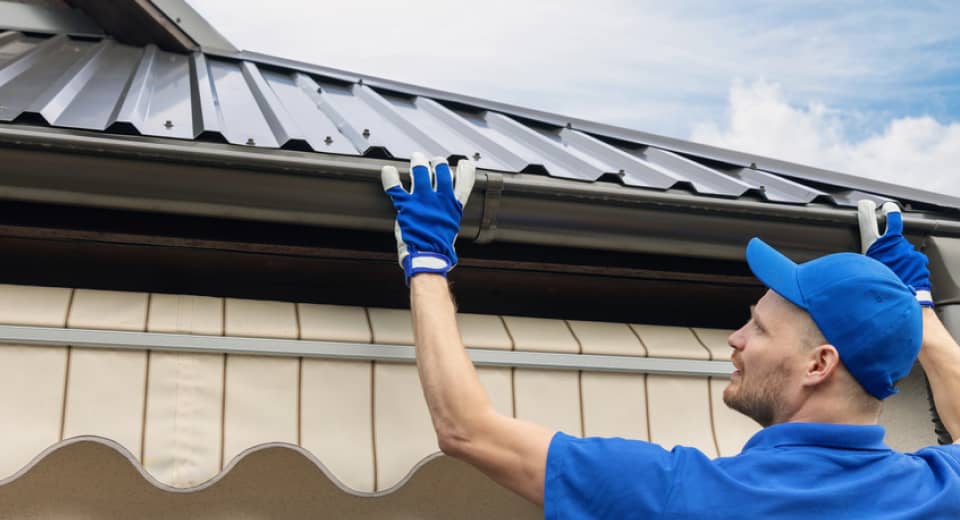
Metal roofing is a premium option for Colorado mountain homes because it sheds snow efficiently and can last decades when installed correctly. Standing seam metal is the most common upgrade path for homeowners who want long-term durability and fewer winter-related issues.
Why Metal Roofing Performs Well at Elevation
Metal behaves differently from shingles in snow-heavy environments. Instead of holding snow, many metal profiles encourage controlled shedding, which reduces prolonged snow load and ice buildup at the eaves.
That performance shows up in a few practical ways homeowners notice over time.
- Snow tends to release sooner, which lowers the chance of ice dams forming along cold eaves.
- Metal panels are not dependent on granular surfaces, so UV exposure at elevation causes less surface degradation.
- Properly fastened systems handle high winds well, especially on exposed ridges and hillside homes.
When installed with the right underlayment and snow management planning, metal roofs often experience fewer winter-related callbacks compared to standard shingle systems.
Metal Roofing Options to Consider
Not all metal roofs perform the same in mountain conditions. Profile choice matters as much as the material itself.
- Standing seam metal roofing uses concealed fasteners, which limit leak paths and improve long-term weather resistance.
- Metal shingles or stone-coated metal offer a more traditional appearance while still improving durability and wind performance.
- Heavier gauge panels generally hold up better in hail and wind than thinner options, especially in exposed locations.
Roof shape, penetrations, and snow retention needs should guide which option makes sense for a specific home.
Honest Trade-Offs With Metal Roofing
Metal roofing comes with a higher upfront cost compared to asphalt shingles. That investment can make sense over time, but it is not always the right choice for every homeowner or every budget.
Hail can also leave dents on certain metal profiles. In many cases, this is cosmetic rather than functional, but some homeowners find the appearance frustrating. Repairs can be more complex as well, depending on panel layout and access points.
Asphalt Shingles vs Metal Roofing
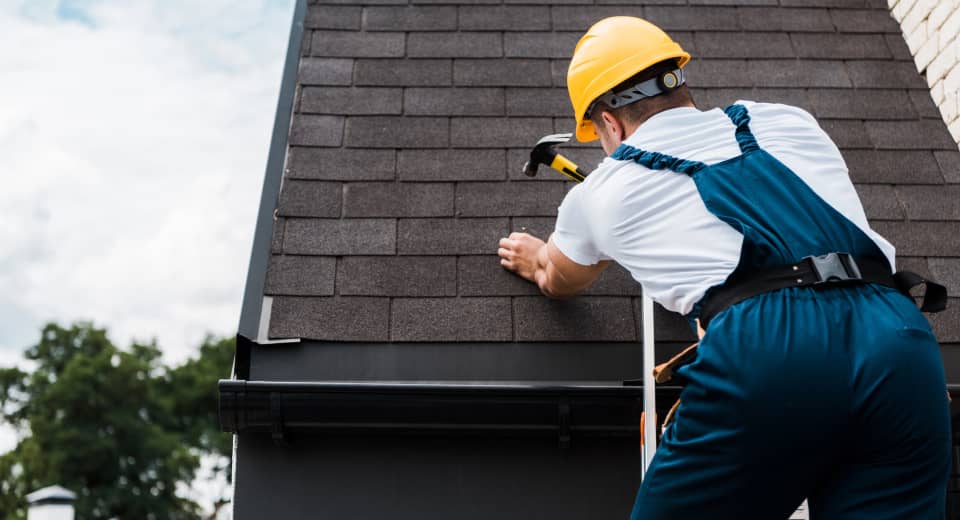
Asphalt shingles offer the best value for most Colorado mountain homes, while metal roofing provides premium longevity and snow shedding at a higher upfront cost.
Shingles remain the most common choice because they balance performance, appearance, and repair flexibility. Metal roofing appeals to homeowners focused on long-term ownership, reduced snow buildup, and fewer material replacements over time. The better option depends on budget, exposure, and how long you plan to stay in the home.
Below is a simple comparison to help frame the decision.
| Factor | Asphalt Shingles | Metal Roofing |
|---|---|---|
| Upfront cost | Lower | Higher |
| Lifespan potential | Moderate to long with upgrades | Long term |
| Snow and ice handling | Good with proper details | Excellent snow shedding |
| Hail performance | Strong with impact-rated options | Varies by profile and gauge |
| Wind resistance | Good when installed correctly | Very strong when installed correctly |
| Repair complexity | Easier, more localized | More complex, depending on the system |
| Best fit for | Value-focused homeowners | Long-term ownership goals |
Most Mountain Roof Failures Come From Details, Not Materials
The majority of recurring leaks in mountain homes do not start because of the shingle or metal choice. They start where water, snow, and air interact with weak details.
Ice and Water Protection
An Ice and water shield is most critical at eaves, valleys, and roof transitions. These areas experience slow drainage and repeated freeze-thaw cycles. Without proper coverage, water can back up under roofing materials even when the surface looks intact.
Ventilation
Balanced ventilation helps regulate roof temperature and moisture levels. Proper intake and exhaust reduce ice dam formation and prevent condensation that can damage decking and insulation over time.
Flashing and Penetrations
Chimneys, skylights, sidewalls, and pipe boots are common leak sources in mountain homes. These areas rely on layered flashing systems that must flex and seal through temperature swings without cracking or separating.
Valleys, Edges, and Transitions
Valleys concentrate water flow, while edges and transitions take the brunt of wind and snow movement. Failures often show up here first, especially after heavy winters or wind events.
Best Roofing Choices for Common Mountain Scenarios
Different homes face different stresses in the mountains. The best roofing choice usually depends on which problem shows up first: snow, hail, wind, or a mix of all three.
- Heavy snow and recurring ice dams: Metal roofing often performs best because it sheds snow faster, but architectural shingles can still work well when paired with proper ventilation and extended ice and water protection.
- Frequent hailstorms: Class 4 impact-rated asphalt shingles are usually the best value, offering strong hail resistance without the higher upfront cost of metal.
- Wind-exposed homes and ridgelines: High wind-rated shingle systems or properly installed standing seam metal hold up better where gusts hit edges and ridges hard.
Best overall value for most homes: Architectural asphalt shingles combined with upgraded underlayment, flashing, and ventilation deliver reliable performance at a manageable cost.
Local Roofing Considerations by Area
Roofing needs to shift even within short driving distances in the foothills and mountain towns. Elevation, tree cover, and exposure all change how a roof performs year to year.
Homes in Evergreen, Conifer, Pine, and Bailey tend to deal with heavier snow accumulation and longer freeze periods. Ice dam prevention, ventilation balance, and water management matter more here than surface material alone.
Golden and Morrison see more wind exposure and strong sun, especially on south and west-facing slopes. Shingle aging from UV exposure and wind lift at edges are common concerns.
Lakewood and Littleton often experience higher hail frequency along with neighborhood appearance guidelines. Impact resistance and shingle profile choices usually factor into replacement decisions.
What Sets Mainzer Roof & Gutter Apart in the Colorado Mountains
Choosing a roofing contractor matters just as much as choosing materials. At Mainzer Roof & Gutter, we focus on building roofs that actually perform in mountain conditions, not just roofs that look good on day one.
At Mainzer Roof & Gutter, we work with homeowners every day who are dealing with snow load, hail damage, and repeated leaks. We approach each roof as a system and recommend materials and details based on exposure, elevation, and real-world performance.
- We beat any written bid by 10% for equal quality, so you never have to choose between price and proper installation.
- We focus on architectural asphalt shingles as our bread and butter, with metal options available when they truly make sense.
- We install ice and water protection, flashing, and ventilation based on mountain conditions, not minimum code shortcuts.
- We stand behind our work with a 5-year workmanship warranty on roof installations and replacements and a 1-year workmanship warranty on repairs.
- We offer clear inspections, honest recommendations, and no-pressure decisions.
FAQs
Are asphalt shingles good for mountain snow?
Yes, architectural asphalt shingles perform well in mountain snow when installed with proper ice and water protection and balanced ventilation. Most winter problems come from details, not the shingles themselves.
Is metal roofing loud?
When installed over solid decking with proper underlayment, metal roofing is not noticeably louder than shingles during rain or hail. Noise issues usually come from poor installation, not the material.
What is better for hail, metal or Class 4 shingles?
Class 4 impact-rated shingles are often the best value for hail resistance. Metal can dent during hail, which is usually cosmetic but still visible.
How do I prevent ice dams?
Ice dams are reduced by improving attic ventilation, sealing air leaks, and installing an ice and water shield at eaves and valleys. Surface material alone does not prevent them.
Should I repair or replace my roof after hail?
It depends on the age of the roof and the extent of hidden damage. An inspection helps determine whether repairs will hold or if replacement is the smarter long-term option.
What roofing lasts longest at high elevation?
Standing seam metal roofing typically lasts the longest, but high-quality architectural shingles can also provide a strong lifespan when installed with mountain-specific upgrades.
Get the Right Roof, Not Just a New One
A roof in the Colorado mountains has to do more than look good. It has to manage snow, resist hail, handle wind, and protect your home through long winters and sharp temperature swings.
If you are weighing roof repair or roof replacement, schedule a free inspection with Mainzer Roof & Gutter. We will walk your roof, explain your options clearly, and help you choose a solution that fits your home, your budget, and your long-term plans.