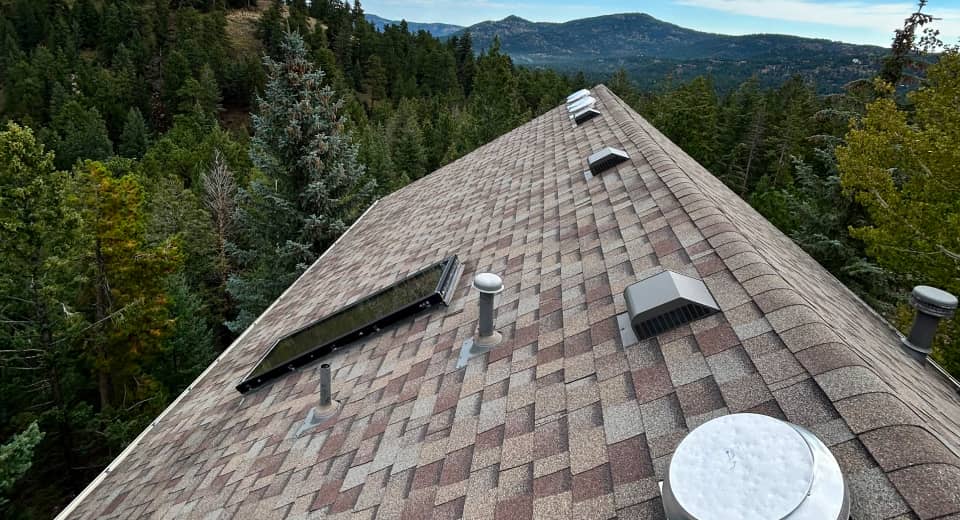
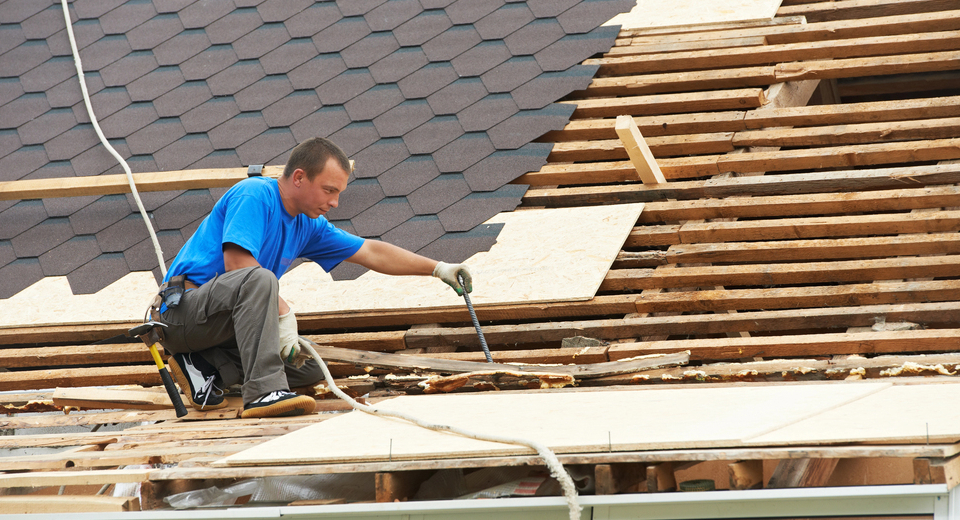
If you live in Colorado, you already know how tough the weather can be on a roof. Hailstorms, strong winds, and fast-moving mountain storms can cause damage that is not always obvious at first glance.
Many homeowners ask us the same question after a storm. Does homeowners insurance pay for a new roof?
The short answer is sometimes. Coverage depends on what caused the damage, not how old your roof is. Insurance companies typically cover roof damage caused by sudden events like hail or wind, not damage that develops slowly from age or long-term wear.
Understanding that difference can save you frustration and help you decide when it makes sense to file a claim.
Key Summary:
Most homeowners insurance policies may cover roof replacement when damage is caused by hail, wind, or sudden storms, but not from normal wear, age, or lack of maintenance. A professional inspection helps determine if a claim makes sense.
When Does Homeowners Insurance Cover Roof Replacement?
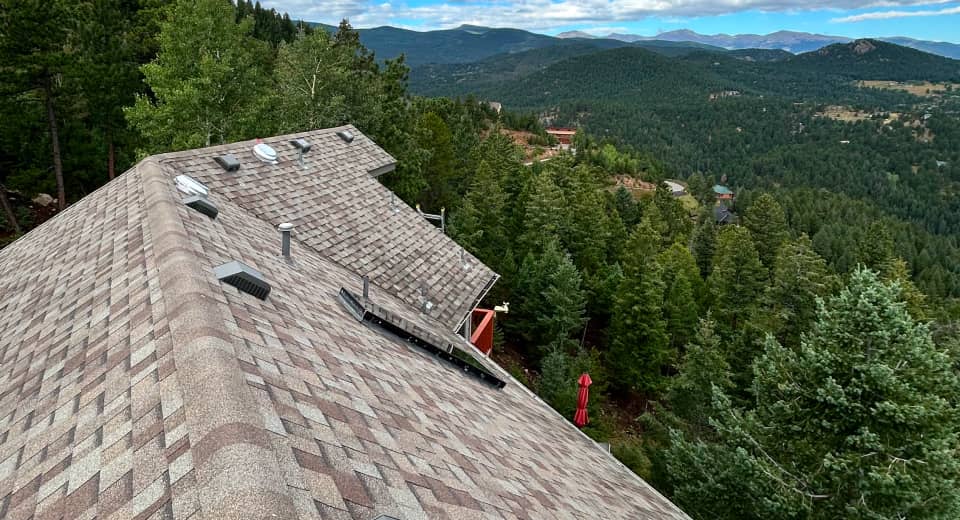
At a basic level, homeowners insurance is meant to protect you from unexpected events. If your roof is damaged by a covered weather event, your insurance coverage may help pay based on either replacement cost value or actual cash value, depending on how your policy is written. If the damage comes from age or neglect, it usually will not.
Covered causes of roof damage:
- Hail damage: Hail is one of the most common reasons insurance pays for roof replacement in Colorado. Even small hail can bruise shingles and shorten the life of the roof, especially after repeated storms.
- Wind damage: Strong winds can lift or tear shingles, break seals, and expose the layers underneath. This type of damage is often covered when it happens suddenly during a storm.
- Storm debris impact: Falling branches or wind-blown debris that strike the roof during a storm are typically considered covered events.
In areas like Evergreen, Lakewood, and Golden, we often see a mix of hail and wind damage from the same storm, which can strengthen a legitimate insurance claim when properly documented.
What insurance usually does not cover:
- Normal wear and tear: Shingles naturally wear down over time. Insurance companies expect homeowners to maintain their roofs as they age.
- Old or deteriorated roofs: If a roof has simply reached the end of its lifespan, insurance usually will not pay to replace it.
Poor maintenance or prior issues: Leaks caused by long-standing problems or ignored repairs are commonly denied. - Installation defects: Problems caused by improper installation are typically considered a workmanship issue, not an insurance issue.
Every policy is different, and coverage depends on the specific cause of damage. That is why a professional inspection is so important before filing a claim.
Hail Damage Roof Replacement Claims in Colorado
Hail is one of the leading causes of roof replacement claims across Colorado. Storms can develop quickly and drop hail that varies in size and density, even within the same neighborhood.
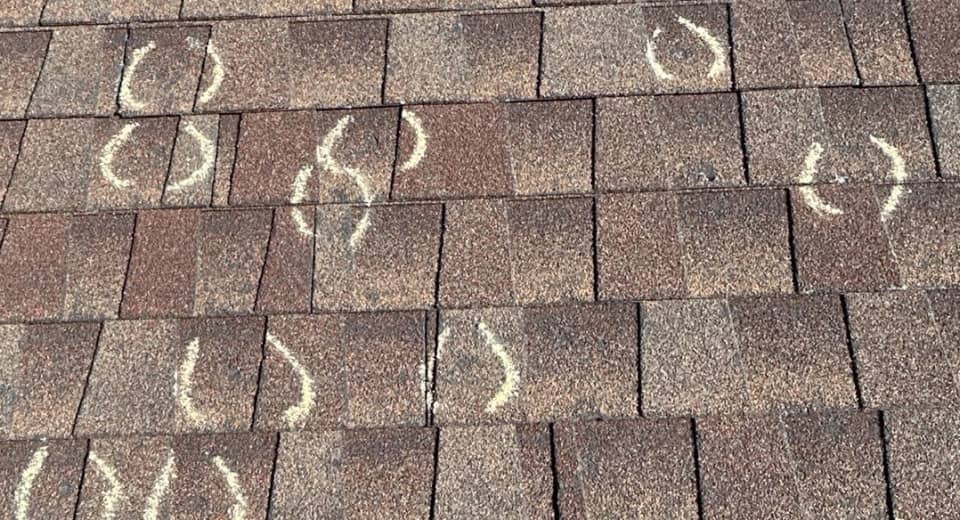
On asphalt shingles, hail damage often appears as small dark spots where granules have been knocked loose. These bruises may not leak right away, but they weaken the shingle and shorten its lifespan. From the ground, the roof may look fine, which is why many homeowners do not realize there is a problem.
Timely inspections matter after hailstorms because insurance companies often have deadlines for reporting damage.
In places like Evergreen, Lakewood, Littleton, and Golden, we regularly inspect roofs that look normal from the street but show clear hail impact up close. Catching that damage early gives homeowners a better chance of a successful claim.
Wind and Storm Damage Roof Replacement Coverage
Wind damage can be just as serious as hail, especially in foothill and mountain communities. Strong gusts can lift shingles, break adhesive seals, and create entry points for water.
Common wind-related issues include missing shingles, lifted edges, and exposed underlayment beneath the roofing material. Once that protective layer is exposed, even a small rainstorm can lead to leaks inside the home. Storms can also send branches or debris onto the roof, causing punctures or localized damage.
In areas like Evergreen and Conifer, higher elevation and open terrain often mean stronger wind exposure. We frequently see wind damage after storms that homeowners did not think were severe, which is why a post-storm inspection can make a real difference.
How to File a Roof Replacement Insurance Claim
Filing a roof insurance claim does not have to feel overwhelming. A clear process and proper documentation can make a big difference in how smoothly things go.
What If Insurance Denies Your Roof Claim?
If an insurance claim is denied, it usually means the insurer believes the damage is from wear and tear, age, or a non-covered cause, not that your roof is fine. Denials are common and often reflect how the insurance coverage was interpreted, not whether the roof damage is covered beyond question.
Many denials happen because damage was subtle, documentation was limited, or the adjuster could not safely access certain areas of the roof. In Colorado, we often see hail or wind damage that is real but easy to overlook without a closer inspection. This is especially true after smaller hailstorms or high wind events that did not cause obvious leaks.
When a claim is denied, we help homeowners understand the reason and decide what makes sense next. That may include a re-inspection, additional documentation, or a clear explanation you can share with your insurance company.
While coverage is never guaranteed, having accurate information puts you in a much better position to make informed decisions.
How Mainzer Roof & Gutter Can Help
We work with Colorado homeowners every day who are unsure whether insurance will pay for a roof replacement. Our role is to give you clear answers, not pressure you into filing a claim that does not make sense.
-
Free, detailed roof inspections: We inspect your roof carefully and document storm-related damage with clear photos.
- Local insurance experience: We understand how Colorado insurers typically evaluate hail and wind damage.
- Clear guidance, no pressure: We explain what we see, what is likely covered, and what your options are.
- Adjuster coordination: We meet with adjusters on site to help ensure damage is accurately represented.
- Licensed and insured workmanship: If replacement is approved, we install roofing systems built for Colorado weather.
At Mainzer Roof & Gutter, we approach every inspection with the same honesty, craftsmanship, and care we’d want for our own family’s home. Our goal is to help you protect your home and avoid unnecessary stress, whether that means filing a claim or not.
Conclusion
Homeowners insurance may pay for a new roof when damage is caused by hail, wind, or sudden storms, but it does not cover normal aging or long-term wear.
In Colorado, where hail and wind are common, the key is understanding the cause of damage and having it properly inspected and documented.
If you think your roof may have hail or wind damage, schedule your free inspection with Mainzer Roof & Gutter today. We will give you honest feedback, clear documentation, and help you take the next step with confidence.
FAQs
Does homeowners insurance pay for an old roof?
Insurance usually does not pay just because a roof is old. Coverage depends on the cause of damage. If an older roof is damaged by a covered event like hail or wind, insurance may still help, but age can affect how much is approved.
How long do I have to file a hail damage roof claim in Colorado?
Most insurance policies have a time limit, often between six months and one year from the date of the storm. The exact deadline depends on your policy, which is why it helps to get your roof inspected soon after a hail event.
Will insurance pay for a full roof replacement or just repairs?
That depends on how widespread the damage is and how your policy is written. If damage is limited, your insurance provider may approve roof repairs instead of a full replacement. If damage affects large sections of the roof or compromises its integrity, a full replacement may be considered.
Do I need a roofer before calling insurance?
You are not required to, but it is often a smart first step. A professional inspection helps confirm whether damage is storm-related and provides documentation that can make the claim process clearer and more straightforward.