

Mon – Sun: 7:00 AM-9:00 PM

How to Know It’s Time to Replace Your Roof: 15 Signs Colorado Homeowners Miss

Share this post:

In the Evergreen foothills of Colorado, roofs age in a rough climate. Hail, snow, sun, pine debris, and chinook winds can take years off a roof without the damage is obvious.

That is why small clues matter here. A house in the foothills does not deal with the same wear as a house in a calmer climate. The trouble tends to build in layers, and homeowners miss it because each sign feels easy to explain away on its own.

Key Summary:

The biggest signs your Colorado roof may be nearing replacement are missing or damaged shingles, granules in the gutters, leaks during rain or snowmelt, attic moisture, sagging areas, worn flashing, and visible hail damage.

What Are the Main Signs You Need a New Roof in Colorado?

In Colorado, the warning signs tend to pile up instead of showing up one at a time. A roof may get through hail, chinook wind, snow, and hot sun for years, then the weak spots start showing. The big ones to watch are shingle loss, granules in the gutters, moisture in the attic, repeat leaks, sagging sections, and worn roof details.
1. Missing Shingles After Wind or Hail

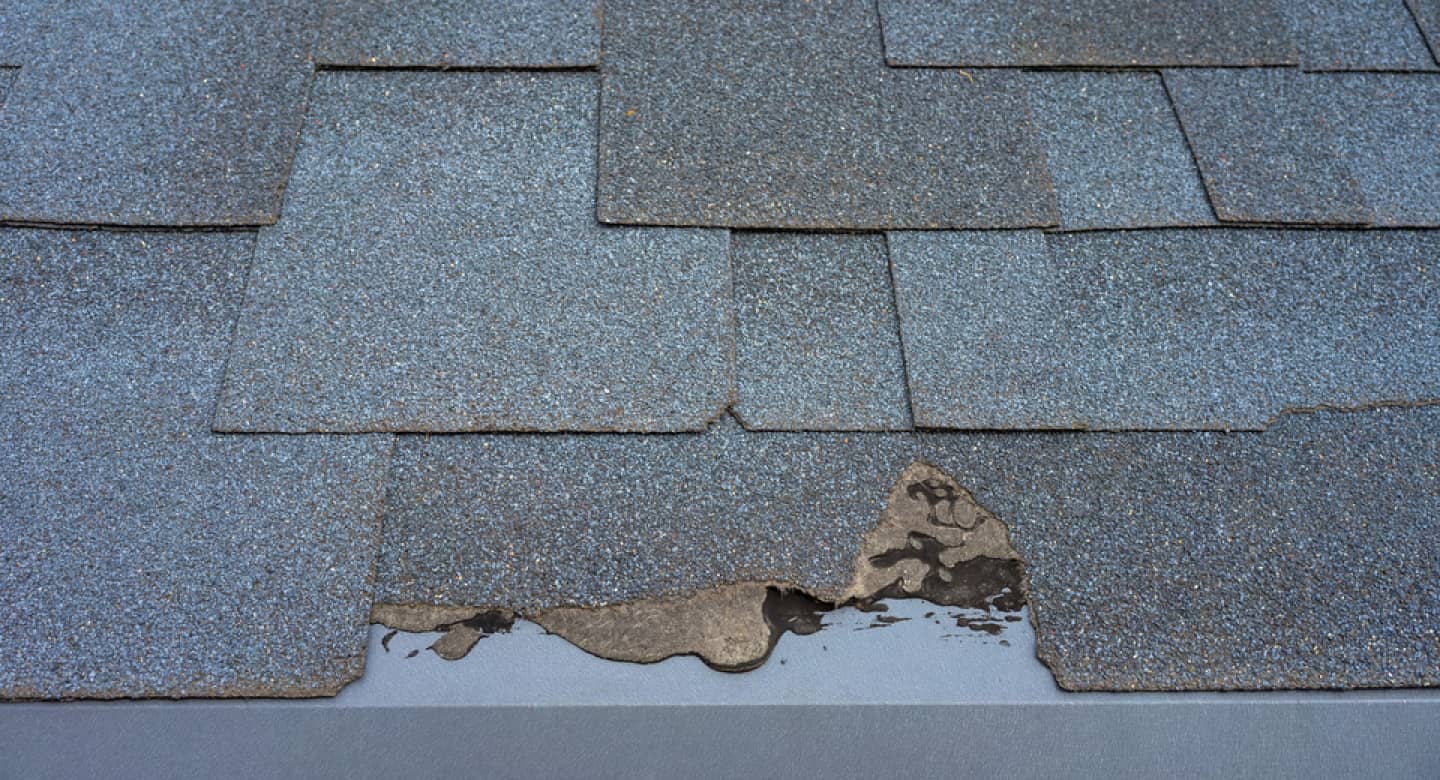
Missing shingles are not just a cleanup issue. From our experience, once a section gets stripped by hail or wind, that part of the roof starts aging faster than everything around it. We have seen this first on the wind-facing side of homes near the Front Range and foothills, where chinook gusts can work the same area loose again and again.

2. Cracked, Curling, or Blistering Shingles

Shingles should sit flat, seal tight, and stay put. When they start curling, cracking, or bubbling up, the roof is telling you the material is breaking down. Colorado is rough on shingles in a very specific way, strong sun, cold nights, then a fast weather swing, and in many cases that wear shows up before homeowners expect it.

3. Granules Collecting in Gutters

That black, gritty stuff in the gutter matters more than people think. Our past customers often mention it like it is just dirt, but from our experience it is one of the clearest early signs the shingles are wearing thin. Once that outer layer starts washing off in volume, our recommendation is to look at the whole roof, not just the gutter.

4. Water Stains on Ceilings or Walls

A stain on the ceiling is rarely the first chapter. It is just the first one you can see from inside the house. In many cases, water has already worked past the roof, moved through decking or insulation, and found its way to that spot long before the mark shows up.

5. Active Leaks During Rain or Snowmelt

Some leaks show up in a hard rain. Others wait until the snow starts melting and moving around, which is something we have seen a lot on foothill homes. A roof in Conifer, Evergreen, or Nederland is dealing with a different kind of stress than a roof on the plains, because big snow years can expose weak decking, tired flashing, and drainage problems fast.

6. Soft Spots or Sagging Roof Areas

A roofline should not dip, bow, or feel soft underfoot during an inspection. When it does, something below the shingles is no longer solid. Our approach is to treat this as more than a surface issue, because in many cases sagging points to moisture-damaged decking or longer-term structural wear that has been building quietly.

7. Damaged Flashing Around Chimneys, Vents, or Skylights

A lot of roof trouble starts in the details. Chimneys, skylights, vent boots, and wall lines all create spots where water gets a chance to sneak in if the flashing starts failing. Our fix is not to glance at these areas and move on. We look closely at the edges, corners, seals, and transitions, because that is where a lot of leaks begin.

What we tend to check first:

  • Chimney edges
  • Skylight corners
  • Vent boots
  • Wall intersections

8. Ice Dam Damage After Winter Storms

Ice dams can make a decent roof look a lot worse by the end of winter. Instead of letting meltwater run off, they push it back under the shingles and into places it should never reach. We have seen one bad winter expose weak eaves, wet insulation, stained soffits, and leaks near exterior walls in a hurry.

9. Mold, Mildew, or Moisture in the Attic

The attic gives away problems the living room cannot yet see. Damp insulation, dark staining, mildew smell, or visible mold all tell the same story, moisture is hanging around too long. From our experience, this is one of the most missed signs because most homeowners do not go into the attic until the issue has already grown teeth.

10. Visible Hail Bruising or Impact Marks

Hail damage is sneaky. We have seen roofs that looked perfectly fine from the driveway, then showed bruised shingles, soft impact spots, and dented vents once we got up close. In Colorado, that hidden storm wear gets underestimated all the time, which is why our recommendation is to take hail seriously even when the roof is not leaking yet.

11. Roof Age is Near the End of Its Lifespan

Age matters, but not in a neat little box. In Colorado, once an asphalt shingle roof gets into that 15 to 25 year range, we start looking harder at storm history, slope exposure, tree cover, and past repairs. We have seen two roofs installed around the same time end up in completely different shape because one took the brunt of hail and sun while the other did not.

12. Repeated Repairs in the Same Areas

If the same valley, chimney line, or roof slope keeps coming back into the conversation, that is not random. In many cases, repeated repairs mean the roof is past the point where another patch really solves anything. Our approach is to step back and ask why that section keeps failing instead of throwing one more quick fix at it.

13. Daylight Visible Through Attic Boards

If light is getting through the attic boards, outside air and moisture have a path in too. It may look small, but those little openings can turn into bigger trouble once wind-driven rain or blowing snow gets involved. We have seen tiny gaps become expensive headaches because they seemed harmless at first.

14. Neighbors Are Replacing Roofs After the Same Storm

Sometimes the best clue is right next door. If several homes on the block are getting roof work after the same hailstorm, it is smart to get yours looked at too. Our past customers often assume their home escaped it because nothing looked wrong from the yard, then we get up there and find damage that was easy to miss from below.

15. Rising Heating or Cooling Bills

A roof problem does not always announce itself with a leak. Sometimes it shows up as a house that feels harder to cool in summer or harder to keep warm in winter. When higher utility bills show up alongside attic moisture, uneven indoor temperatures, or visible roof wear, our recommendation is to stop looking at those as separate issues and start looking at the roof system as a whole.

How Long Does a Roof Last in Colorado?

In Colorado, an asphalt shingle roof commonly lasts around 15 to 25 years. Hail, UV exposure, snow load, wind, and freeze-thaw cycles can shorten that range.

That number is only a baseline. We have seen roofs of the same age end up in very different shape depending on storm exposure and tree cover. In foothill communities, a roof covered with pine needles is not just messy. It can trap moisture around valleys and flashing, and it can also add ember risk during fire season. 

For many Colorado homeowners, especially in foothill and WUI areas, roof replacement is also a fire-resilience decision, not just a curb appeal project.

Should You Repair or Replace a Damaged Roof?

When the issue is minor and the rest of the roof is still in good condition, repair makes sense. When the damage is widespread, the problem persists, or the roof is already nearing its end, replacement makes more sense.

Here is the simplest way we explain it to homeowners:

Situation Repair may make sense Replacement may make
more sense
Missing shingles Small isolated area Multiple sections affected
Leaks One clear source Leaks keep returning
Hail damage Light and limited Damage across several slopes
Roof age Roof still has life left Roof is near the end
Repair history First repair Same spots keep failing
Roof deck Still solid Soft spots or sagging present

Our recommendation is simple. If you keep paying for the same fix, zoom out and look at the whole roof, not just the latest problem.

What Should Colorado Homeowners Do Next?

Start with the easy clues. You do not need to get on the roof to notice that something is off.

  • Check the gutters. Granules, shingle pieces, and overflow marks can tell you a lot.
  • Look in the attic. Watch for damp insulation, staining, mildew smell, or daylight.
  • Think back to the last storm. Hail and wind in Colorado do not always leave obvious damage from the ground.
  • Notice repeat problem spots. Chimneys, skylights, valleys, and vents tend to show trouble first.
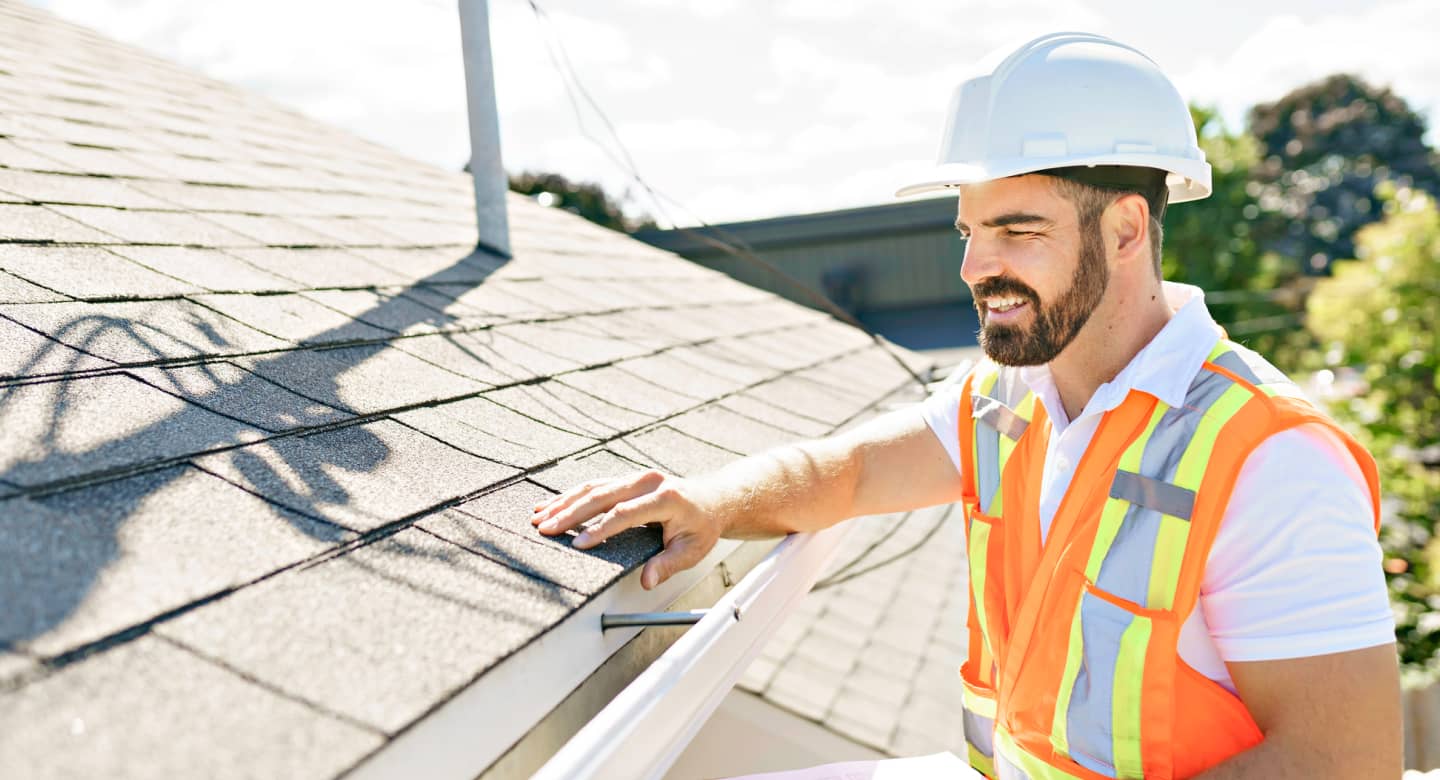
  • Schedule an inspection early. From our experience, early answers save money, drywall, and stress.

Need a Professional Roof Inspection in Evergreen?

Some roofs make the call easy. Others keep dropping little hints, a leak during snowmelt, grit in the gutters, a stain that shows up and then disappears for a while. 

From our experience, that is how a lot of Colorado roof problems play out, especially around Evergreen where hail, foothill snow, pine debris, and chinook winds can wear a roof down piece by piece.

Mainzer Roof & Gutter helps homeowners figure out what still makes sense to repair and what is starting to point toward replacement. Our approach is simple. We provide a thorough roof inspection, show you what we see, and give you a clear recommendation based on the condition of the roof, not a sales script.
Read More Posts

img - Roof Repair Or Full Replacement

Do I Need A Roof Repair Or Full Replacement? A Colorado Homeowner’s Decision Guide

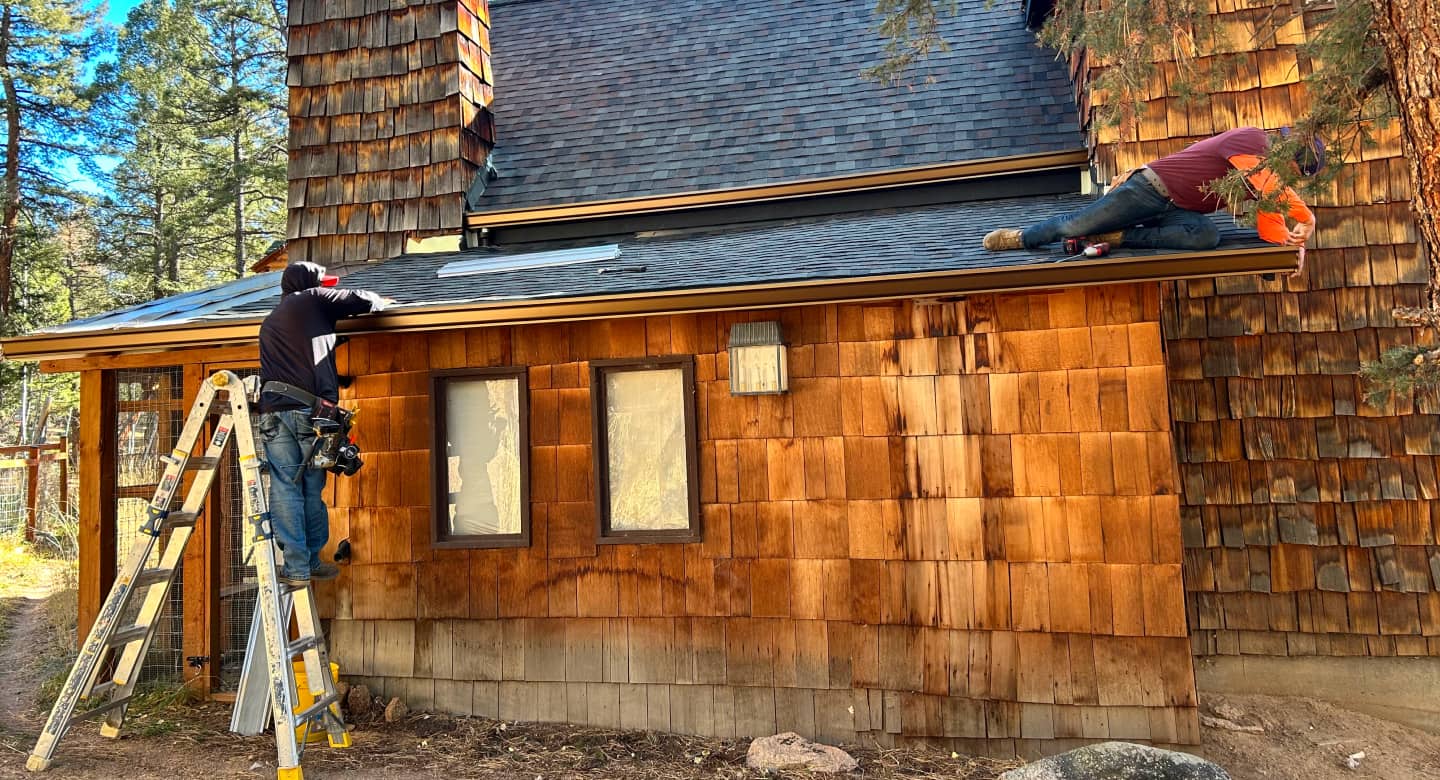
A roof problem does not always mean you are headed for a full replacement. In Colorado, plenty of issues can still be repaired if you catch them before they spread. From what we have seen around Evergreen and the foothills, the bigger question is how contained the damage still is. A few…

READ MORE

How to Know It’s Time to Replace Your Roof: 15 Signs Colorado Homeowners Miss

In the Evergreen foothills of Colorado, roofs age in a rough climate. Hail, snow, sun, pine debris, and chinook winds can take years off a roof without the damage is obvious.That is why small clues matter here. A house in the foothills does not deal with the same wear as…

READ MORE
img - mountain_roof_view

Best Roofing Materials for Colorado Mountain Homes

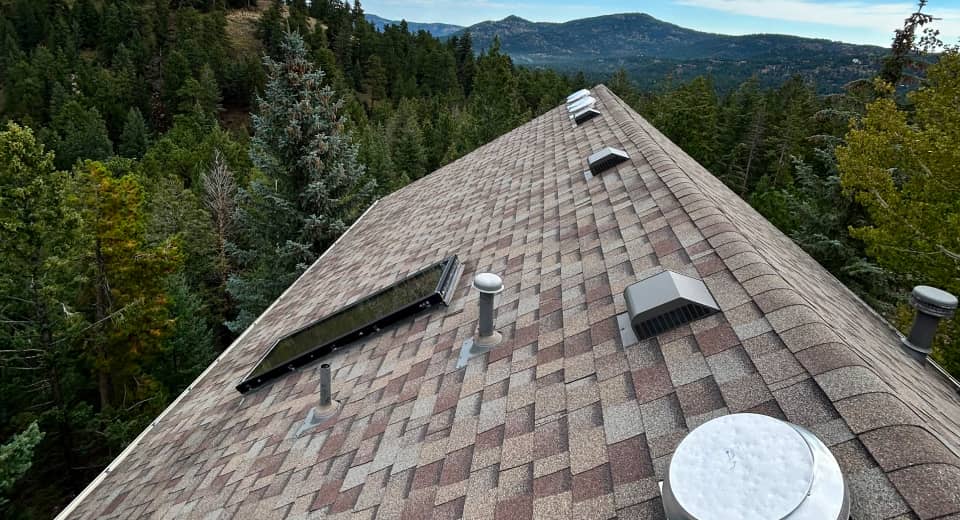
Choosing the right roofing material in the Colorado mountains goes far beyond looks. Snow loads, hail, wind, and sharp temperature swings put more stress on roofs at elevation, making the right choice key to long-term performance and fewer repairs.  At Mainzer Roof & Gutter, we help homeowners make confident decisions…

READ MORE
READ MORE ARTICLES

Start your
free quote

Google reCaptcha: Invalid site key.

By submitting this form, you agree to our Privacy Policy and consent to be contacted by Mainzer Roof & Gutter via phone, text, or email regarding your inquiry.