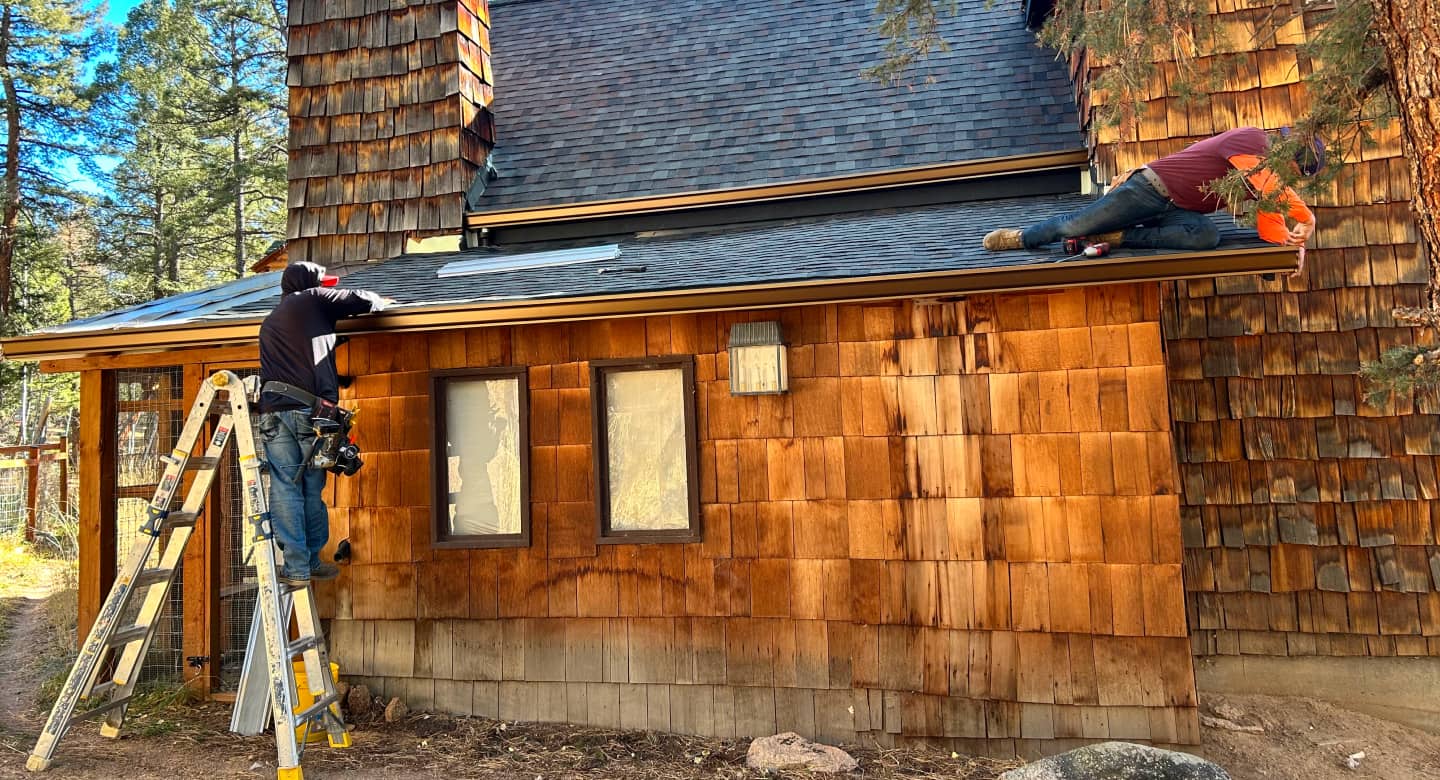

In the Evergreen foothills of Colorado, roofs age in a rough climate. Hail, snow, sun, pine debris, and chinook winds can take years off a roof without the damage is obvious.
That is why small clues matter here. A house in the foothills does not deal with the same wear as a house in a calmer climate. The trouble tends to build in layers, and homeowners miss it because each sign feels easy to explain away on its own.
Key Summary:
The biggest signs your Colorado roof may be nearing replacement are missing or damaged shingles, granules in the gutters, leaks during rain or snowmelt, attic moisture, sagging areas, worn flashing, and visible hail damage.
What Are the Main Signs You Need a New Roof in Colorado?
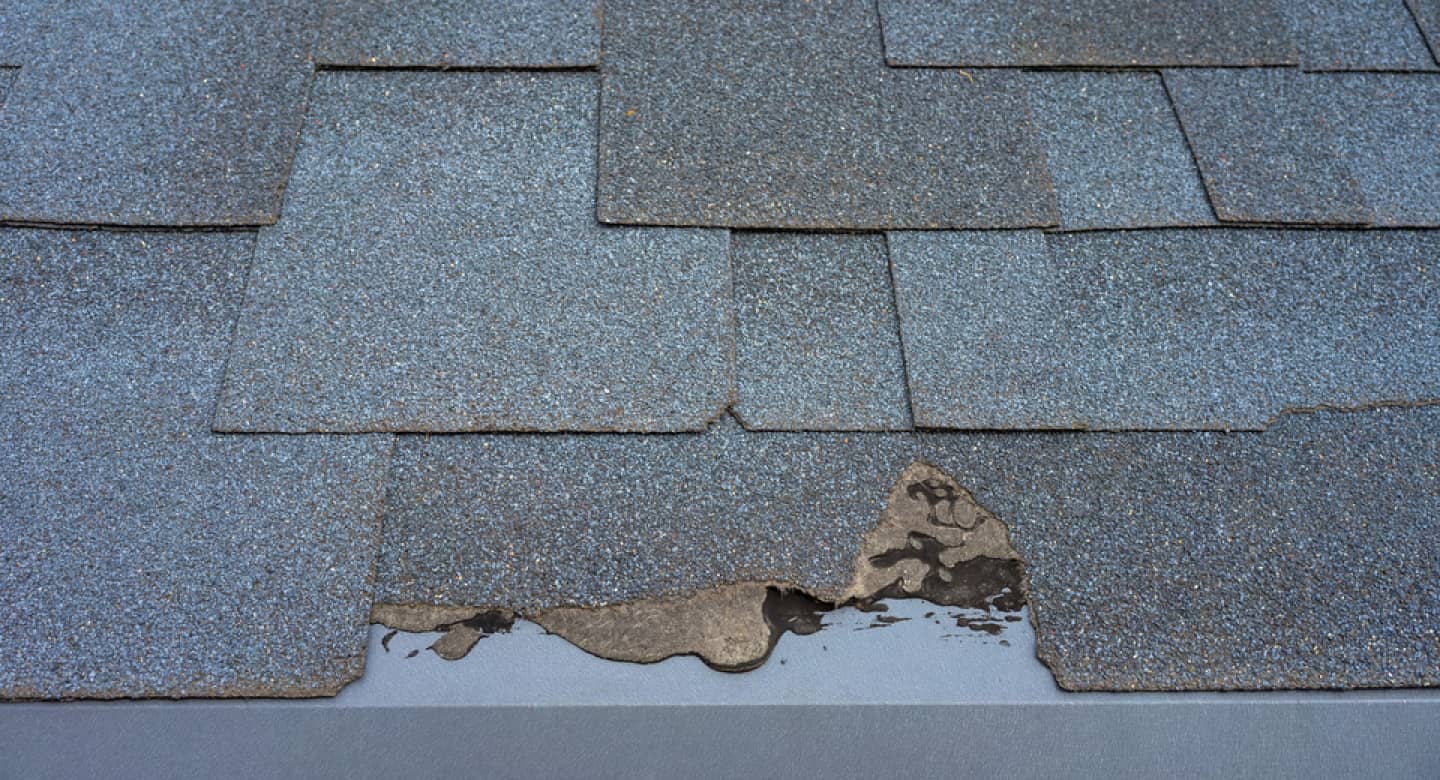
In Colorado, the warning signs tend to pile up instead of showing up one at a time. A roof may get through hail, chinook wind, snow, and hot sun for years, then the weak spots start showing. The big ones to watch are shingle loss, granules in the gutters, moisture in the attic, repeat leaks, sagging sections, and worn roof details.

How Long Does a Roof Last in Colorado?
In Colorado, an asphalt shingle roof commonly lasts around 15 to 25 years. Hail, UV exposure, snow load, wind, and freeze-thaw cycles can shorten that range.
That number is only a baseline. We have seen roofs of the same age end up in very different shape depending on storm exposure and tree cover. In foothill communities, a roof covered with pine needles is not just messy. It can trap moisture around valleys and flashing, and it can also add ember risk during fire season.
For many Colorado homeowners, especially in foothill and WUI areas, roof replacement is also a fire-resilience decision, not just a curb appeal project.
Should You Repair or Replace a Damaged Roof?
When the issue is minor and the rest of the roof is still in good condition, repair makes sense. When the damage is widespread, the problem persists, or the roof is already nearing its end, replacement makes more sense.
Here is the simplest way we explain it to homeowners:
| Situation | Repair may make sense | Replacement may make more sense |
|---|---|---|
| Missing shingles | Small isolated area | Multiple sections affected |
| Leaks | One clear source | Leaks keep returning |
| Hail damage | Light and limited | Damage across several slopes |
| Roof age | Roof still has life left | Roof is near the end |
| Repair history | First repair | Same spots keep failing |
| Roof deck | Still solid | Soft spots or sagging present |
Our recommendation is simple. If you keep paying for the same fix, zoom out and look at the whole roof, not just the latest problem.
What Should Colorado Homeowners Do Next?
Start with the easy clues. You do not need to get on the roof to notice that something is off.
- Check the gutters. Granules, shingle pieces, and overflow marks can tell you a lot.
- Look in the attic. Watch for damp insulation, staining, mildew smell, or daylight.
- Think back to the last storm. Hail and wind in Colorado do not always leave obvious damage from the ground.
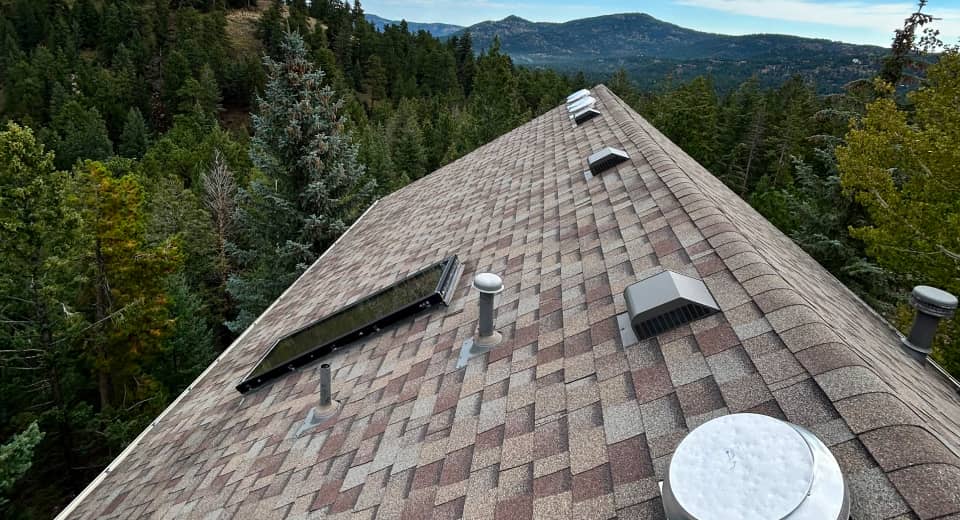
- Notice repeat problem spots. Chimneys, skylights, valleys, and vents tend to show trouble first.
- Schedule an inspection early. From our experience, early answers save money, drywall, and stress.
Need a Professional Roof Inspection in Evergreen?
Some roofs make the call easy. Others keep dropping little hints, a leak during snowmelt, grit in the gutters, a stain that shows up and then disappears for a while.
From our experience, that is how a lot of Colorado roof problems play out, especially around Evergreen where hail, foothill snow, pine debris, and chinook winds can wear a roof down piece by piece.
Mainzer Roof & Gutter helps homeowners figure out what still makes sense to repair and what is starting to point toward replacement. Our approach is simple. We provide a thorough roof inspection, show you what we see, and give you a clear recommendation based on the condition of the roof, not a sales script.